


Biotech Executive Search.
The right person for your next stage. Permanent in under 30 days, interim and fractional in 3.
C-Level. Permanent, Interim, Fractional and Board Roles
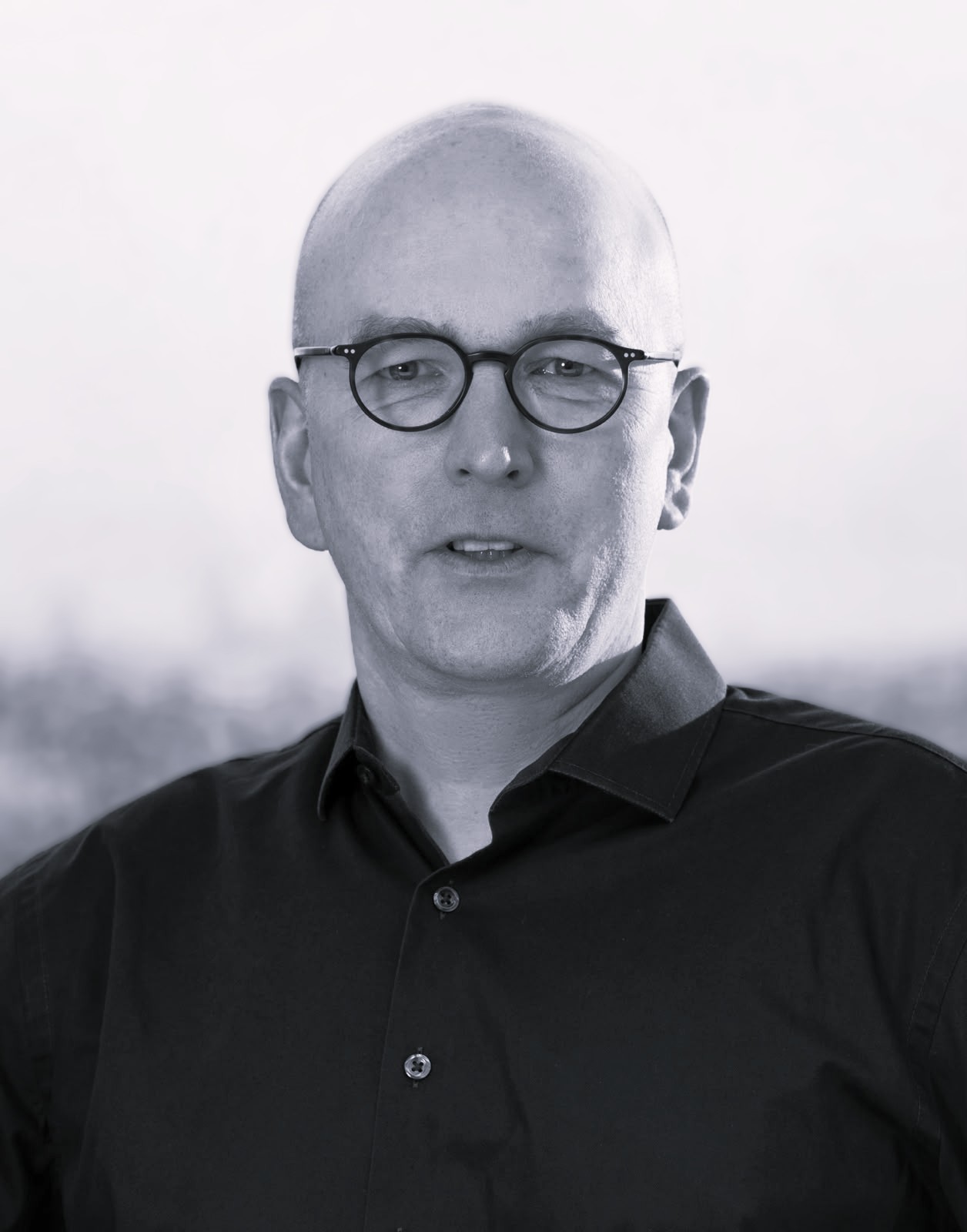
Rados Recruiting, Munich. Christian Rados, biotech headhunter since 2011. 100+ clients, 1,000+ placements.
What if most problems with clinical data, funding and regulatory strategy are really selection problems?
You can't control the biology. But you can select who makes the decision.
A trial built on the wrong endpoint.
A round pitched to the wrong investors, at the wrong time.
A regulatory strategy that costs a year.
A deal signed too early, for too little.
A program kept alive a year too long.
None of these are science problems. They're decisions.
And every one of them was made by a leader. The quality of your data, your funding and your deals is the quality of the decisions behind them. And the quality of those decisions comes down to who you put in the role.
The hard part? The wrong leader hides behind a great CV, a good conversation and a strong culture fit. Nobody sees it coming. Not you, not the board, not the investors.
That makes hiring the right leaders the most important job a board or a CEO has. It is the one lever you control.
So I developed a new way to select leaders for the stage you're entering.
The Rados Method
Skill fit, stage fit and need fit.
The Rados Method is a framework for selecting executives and board members who make better decisions, perform higher and change the outcome for the company. It checks three fits. Stage fit and need fit tell you whether someone fits the company you're about to become. An early-stage CEO and a commercial CEO share a title, not a job.
I was the first to bring stage fit and need fit into executive search. Because when the stage and the person fit, leaders make better decisions.
The research behind both isn't new. See the evidence
The Rados Method checks three fits. The first, skill fit, is the foundation. Every serious search checks it.
The other two are where hires succeed or fail, and where the Rados Method is different: stage fit and need fit.
Skill fit
Expertise, experience, track record. Every serious search checks it, and so do I, on every candidate. It gets someone into the room.
Stage fit
What does this role demand at this stage of the company? An early-stage biotech is volatile, fast and full of unknowns. It needs a leader who runs on variety.
Need fit
What are the top two needs that drive this executive? They stay remarkably constant over a career. Not a personality test. A structured interview about the choices they made. When the stage feeds them, the leader decides better and performs higher.
Skill fit decides who gets into the room. Stage fit and need fit decide what happens after: better decisions, higher performance, a different outcome.
The trial that recruits on time, the round that closes, the deal signed on better terms. Every one of them is decided by the person in the role.
When they are missed, the cost shows up as missed milestones, missed partnerships, slower momentum, more internal conflict and eventually the disengagement of the leader.
Three questions
Three questions I get from boards and investors.
The short answer here. The long one on its own page.
Why is the Series A CEO rarely the right CEO for commercialisation?Same business card, different job. Early, the CEO tells the story and wins belief. Later, the CEO builds the organisation that delivers on it. Half of all founders are no longer CEO three years in, and most of them did not leave by choice. Read the answer
Why should a biotech board assess need fit, not only track record and chemistry?Track record tells you what someone can do. Chemistry tells you that you like them. Neither tells you whether the role will keep feeding what drives the person, and that decides how they decide and perform. Read the answer
Why does biotech leadership fail despite a strong track record?Great interviews. Strong first six months. Then the quiet exit. The CV got them into the room. It didn't get them through the next stage. Read the answer
Organizational development
Which seat is due next?
Stage fit tells you whether a person fits the stage ahead. Organizational development comes one step earlier and answers the question before any search: should you hire this seat now? Which seats your company needs, in which order they come in, and when one has to change hands.
One of the biggest problems: the wrong person at the wrong moment. Often hired too early, or the wrong role entirely for the company's stage.
Where the company comes from, what the next round has to fund and where the clinic stands decide which role comes when.
Which role comes when, by stage
Pick a role and follow it from Seed to approval. The full reading, with the six stages, the five origins and when a role is actually due, is on its own page.
Want to know which seat is due?
Sixty minutes on a call, no brief and no pitch. I name the role, the reason and whether it should be permanent or fractional.
How to hire, seat by seat.
Once the seat is due, the guide for it: who you are looking for at your stage, where that person comes from, what to ask, what to check and what the package pays.
Services
You know which seat is due. Now, which shape?
Not every seat needs a full-time executive on the payroll, and the wrong shape costs as much as the wrong person. Fractional, interim or permanent is not a budget question. It is a question of what the work actually is. Write down the actual work for one month. Not the title. The work.
Europe and the US. Munich, Vienna, Basel, Berlin, Oxford, Cambridge, Copenhagen, Ghent, Boston, New York, the Bay Area.
Judgement, not hours. If the scope grows twice by day ninety, it was never fractional.
You are hiring for the raise and the stage after it.
Not a C-level seat. Do not give it the title, you will not get it back.
A defined build with an end. Or you started too late.
Permanent, interim and fractional, explained: contract models and the legal layer.
A seat needs the right person. A new one, or a better one.
The stage calls for a role that didn't exist yet, or the leader who got you here won't get you there. I find the person who fits the stage you're entering.
Shortlist in days. Closed in under 30.
Find your permanent hireYou need leadership now. A permanent hire is months away or premature.
A readout is coming and the CMO seat is empty, or a full-time CFO isn't justified yet. I place senior interim and fractional leaders at C-level.
In three days.
Get interim leadershipYour cap table hands you a board. It doesn't hand you help.
I fill the seats with people who change the outcome: a director who has raised the round you're about to raise, a chair who has run a CEO succession.
So when the big decision comes, the help is already in the room.
Build your boardClient voices
Four clients, in their own words.
Every quote is public and linked to the original.
“Christian knows the biotech scene, quickly understands what kind of talent a young company needs, and finds the right people. Highly recommended for biotech founders and CSOs who are building their teams.”
ProvenExpert, September 2026
“I am working with Christian since a couple of years and so far he has identified more than ten experts and leaders for me which I was happy to recruit and which are doing an excellent job for my company and me.”
LinkedIn recommendation, March 2025
“Christian has an incredible large network, a deep understanding about the (bio-)pharmaceutical industry and is able to translate job specifications into attractive opportunities.”
LinkedIn recommendation, March 2025
„Individuelle, effiziente und schnelle Betreuung: Rados Recruiting kennt Industrieumfeld und Kandidaten-Background stets sehr genau.“
ProvenExpert, September 2026
12months
The guarantee.
If a permanent executive I placed leaves within twelve months, I run the search again at no additional fee. The three fits are not a promise of effort. They are a promise of outcome, and I carry the risk of being wrong.
Ecosystem
The people in this ecosystem share one goal.
Help the biotech industry bring novel drugs to patients. Life Science Nord, HTGF, BIO Deutschland, Van Lanschot Kempen and BIOTECH AUSTRIA work on that from different seats. So do the guests on Willing to Win.




Life Science Nord Mentoring Network.Quarterly one-hour sessions with life science start-ups on leadership, executive recruiting and team composition.
Achim Plum, HTGF. Oliver Schacht, Life Science Nord. Jan De Kerpel, Van Lanschot Kempen. Klaus Weinberger, Metaron Diagnostics.
Willing to Win: Biotech Leaders Against All Odds.
A long-form podcast featuring biotech founders, CEOs and Chairpersons who have built companies through real adversity: failed trials, board fights, near-bankruptcy, regulatory setbacks, personal cost. Not the highlight reel. The willingness.
Sorted by the situation you are in.
The same conversations, cut by the problem a biotech CEO is sitting with: how it felt, what the guests did the next morning, and what came of it. Standing on the shoulders of giants.
If you fear running out of cash before the readout
Episode 21 | I Shouldn't Be Here: Moderna's First CSO on Making Life Count (Antonin de Fougerolles)
Antonin "Tony" de Fougerolles · Founding Chief Scientific Officer of Moderna; board chair and investor
FAQ
Questions I get on the first call.
Answered the way I answer them on the phone.
What is Rados Recruiting?+
A boutique executive search firm for biotech, based in Munich. I founded it in 2020 after nine years as a biotech headhunter, and I run every mandate myself: CEO, CFO, CMO, CSO, CBO, COO, CTO and board seats, permanent, interim or fractional, for venture-backed and listed biotech from Seed to Public, in Europe and the US.
Permanent placements close in under 30 days, interim and fractional in 3. Permanent placements carry a 12-month guarantee.
What makes Rados Recruiting different?+
The Rados Method. I was the first to bring stage fit and need fit into executive search, because when the stage and the person fit, leaders make better decisions. Most searches select on skill and chemistry. The Rados Method checks three fits: skill fit, the foundation every serious search covers; stage fit, what this role demands at this stage of the company; and need fit, the top two needs that drive the executive. That leads to different hiring decisions, a higher overall fit between leader, role and stage, and a hire who is closer to the result your company needs: the trial, the round, the regulatory path, the deal.
The biggest challenges in biotech, clinical data, funding and regulatory strategy, go one way or the other depending on the decisions leaders make. Selecting the right leader is the one lever you control.
What is the Rados Method?+
A framework that leads to different hiring decisions. Most of the big problems in a biotech, a trial built on the wrong endpoint, a round pitched to the wrong investors, a deal signed too early, trace back to a selection problem: who was chosen to lead and make the call.
The Rados Method checks three fits. Skill fit is the foundation, and every serious search checks it. Stage fit: what does this role demand at this stage of the company? An early-stage biotech is volatile, fast and full of unknowns, so it needs a leader who runs on variety. Need fit: what are the top two needs that drive this executive? They stay remarkably constant over a career. Not a personality test, but a structured interview about the choices they made. When the stage feeds what drives the leader, you get better decisions, higher performance and a different outcome for the company. When stage fit and need fit are missed, the cost shows up as missed milestones, missed partnerships, slower momentum, more internal conflict and eventually the disengagement of the leader. The full method is on the Rados Method page.
Why did you build the Rados Method?+
I asked myself: what business am I really in? The answer: I create better leadership hires in biotech and help save lives. This led me to a more difficult question: I've got these skills, so how can I have a bigger impact, so that more and better drugs get to patients and save lives?
I started my career placing freelance and interim consultants into biotech and pharma companies. That's where I saw the mechanics of a derailed need fit up close, in the people I had placed. I kept wondering why some of them played out the way they did inside the companies I had placed them in, and not in the best interest of the company, and in the end the patient.
Early on, my philosophy was skill fit plus chemistry. That's so 2010. And believe me: most headhunters, and unfortunately most clients, still run on that belief. Avoiding mishires matters. But what matters more is hiring people who perform better, bring more energy and make the best decisions.
Years of global placements at mid to senior level, permanent, interim and fractional, taught me one thing: how to make different hiring decisions. I could have stayed with Director and VP roles. But my biggest impact is where the fundamental decisions are made, right or wrong: in the C-suite and the boardroom.
And when the stage of the company is aligned with the person's needs and values, something special happens: more energy, better performance and better results. That's why I eventually developed the Rados Method, adding stage fit and need fit to skill fit.
How is Rados Recruiting different from large global executive search firms?+
Large firms sell process: a partner pitches, an associate searches, a researcher builds the longlist, and three months later you get a shortlist. I sell judgement. Most searches select on skill and chemistry. I select on all three fits of the Rados Method, skill fit, stage fit and need fit, and that leads to different hiring decisions: not the best CV, but the leader who will make the better calls and perform higher at the stage you are entering.
One person owns the mandate from the first conversation to the placement, and the shortlist arrives in days because I go into the whole market every time, not into a database. Permanent placements close in under 30 days. Interim placements in 3.
What kinds of roles do you place?+
C-level and senior leadership for venture-backed and listed biotech: CEO, CFO, CMO, CSO, CBO, CCO, COO, CTO, independent directors and chairs. Permanent, interim and fractional. Most mandates are Seed through Series C, most of them clinical-stage.
What is the difference between permanent, interim, and fractional executives?+
Permanent: a long-term C-level hire, employed by the company. Interim: a full-time leader for a defined period, typically three to twelve months, through a readout, a restructuring or a gap. Fractional: a part-time senior leader, from two days a month to a few days a week. I place all three. Typical mandates: interim CMO during a clinical readout, fractional CFO before Series A, interim CEO between cycles. The contract models and the statutory officer layer are in the complete guide.
How fast can you fill a C-level role?+
Permanent placements close in under 30 days from briefing to signed offer, interim and fractional in 3 days. Global search firms typically need four to six months.
Fast is the time to a shortlist, not a shortcut on diligence. Candidates surface in days because I go into the whole market every time, several thousand personal contacts plus everyone I have not met yet. The referencing, the assessment on all three fits and the chemistry calls happen in full.
Do you also place Board members and Chairpersons?+
Yes. Independent directors, chairs and strategic advisors for biotech companies and funds. Board mandates run slower and quieter than executive search, on the same principle: one person owns the mandate. The directors I place have operational depth in clinical development, regulatory, business development or commercial launch. Not names for the deck.
How is your fee structured?+
Permanent executive search: a retainer of 30 percent of first-year compensation. Seed-stage companies and teams under five people: special rates, on request. Interim and fractional: hourly, daily or a monthly retainer, agreed per mandate. I go through the investment and the contract in the first conversation. Nothing hidden.
When does a biotech actually need a strategic CFO, not just a financial manager?+
Most early-stage biotechs need a financial manager, not a CFO: a clean monthly close, the cap table, support for the next financing. Jan De Kerpel said it on Willing to Win: "In early stage companies, the CFO role is not a CFO role. It is actually a financial manager role."
The strategic CFO becomes necessary when financing moves from supporting the CEO to co-leading with the CEO, typically between Series B and Series C. Too early, and you pay twice for the role and watch the person leave. Too late, and the CEO carries the financing alone. How to hire a CFO.
When is the right moment to bring in a Chief Medical Officer?+
Not when the asset is three years from first-in-human; at that stage a medical advisor or a fractional CMO, two days a month, is enough. The full-time CMO becomes necessary twelve to eighteen months before the readout that defines the value of the asset, typically late Phase 1b or early Phase 2. Companies that delay pay in trial momentum and regulatory missteps. Companies that hire too early pay a senior salary for an underemployed executive. How to hire a CMO.
When should a founder-CEO transition out of the role?+
Later than most founders think, and earlier than most boards say it. The founding CEO and the commercial CEO are different jobs. The signals: the board has private conversations about CEO readiness, the founder's week is eaten by operational decisions, financing stalls because investors want institutional leadership, or the next round requires it. Founders who are honest with themselves recognise the moment and lead the move. The others wait for the board, which usually happens a year too late. How to hire a CEO.
“The CV tells you what someone can do. Stage fit and need fit tell you whether it will work here.”Christian Rados, founder of Rados Recruiting. Munich.
Let's talk.
A first conversation is the cheapest part of any executive search. Sixty minutes on a call to understand the stage you're in, what you actually need, and whether I'm the right person to help.
