Willing to Win ReaderThe podcast in writing. Conversations with biotech leaders, sorted by the situation you are in. All situations and conversations
Standing on the shoulders of giants
If you are a biotech CEO and fear running out of cash before the readout.
Read how these biotech leaders managed that situation.
You have done the math. Readout in eight months. Cash for ten. Enrolment two sites behind. The trial cannot be hurried and the money cannot be stretched, and you are the one sitting between the two.
Every investor update says on track. Nobody on your board says the other thing out loud. You do, at night, and then you go back to the deck.
This page is for that hour. The people who have run, funded or sold biotech companies sat across from me on Willing to Win and told me what that hour was like for them, what they did the next morning, and what came of it. Everything below is in their words.
Christian Rados, host
How it felt
"Absolutely didn't know. All I knew was we couldn't sit there and do nothing. We were getting killed."
Edwin Moses, CEO of a listed company, a trial a year behind the date he had promised the market, on whether he knew his decision was right.
"Doubting yourself because you don't have this feedback from someone else in the team and say, we'll get through this. I had to tell that to myself, I'll get through this."
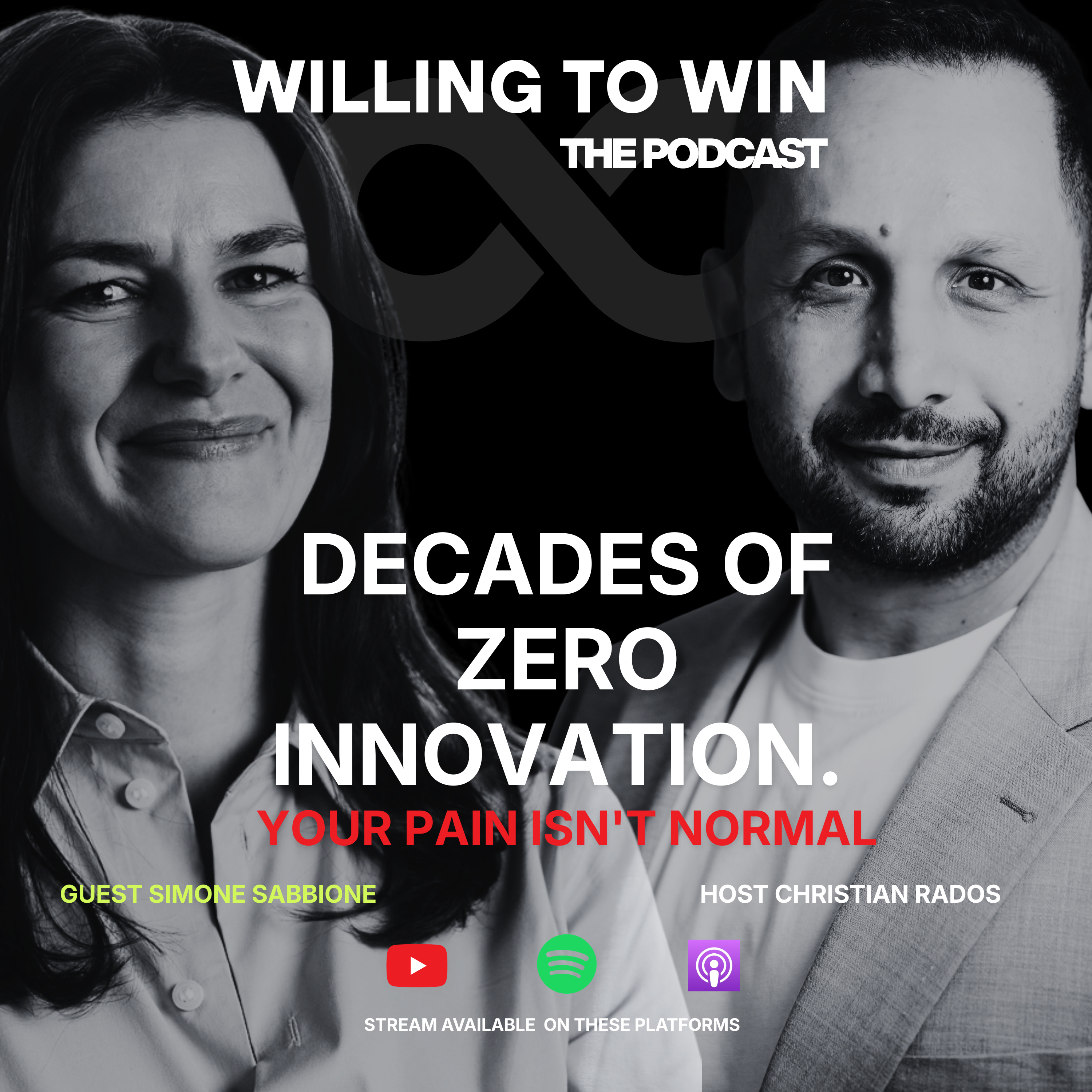
Simone Sabbione, in the year she went from a full salary to nothing.
"Guys, you know, we're running out of cash, I can't have those discussions now."
Achim Plum, in a last-shot financing meeting with the company weeks from empty, an analyst grilling him on the pipetting details of an assay.
"It just all failed. It was miserable."
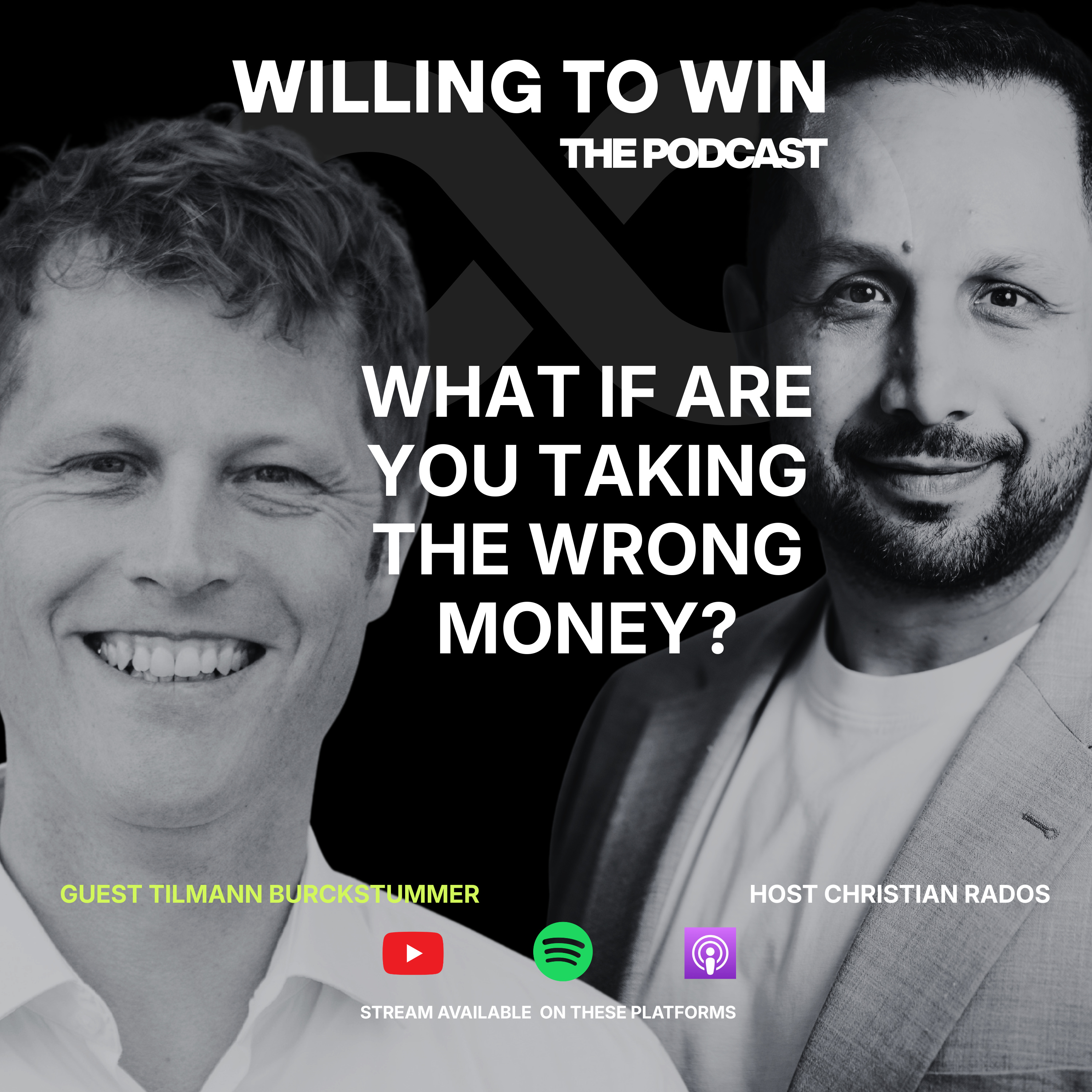
Tilmann Bürckstümmer, on the platform that failed on every element while the grants ran out.
"I blew a fuse."
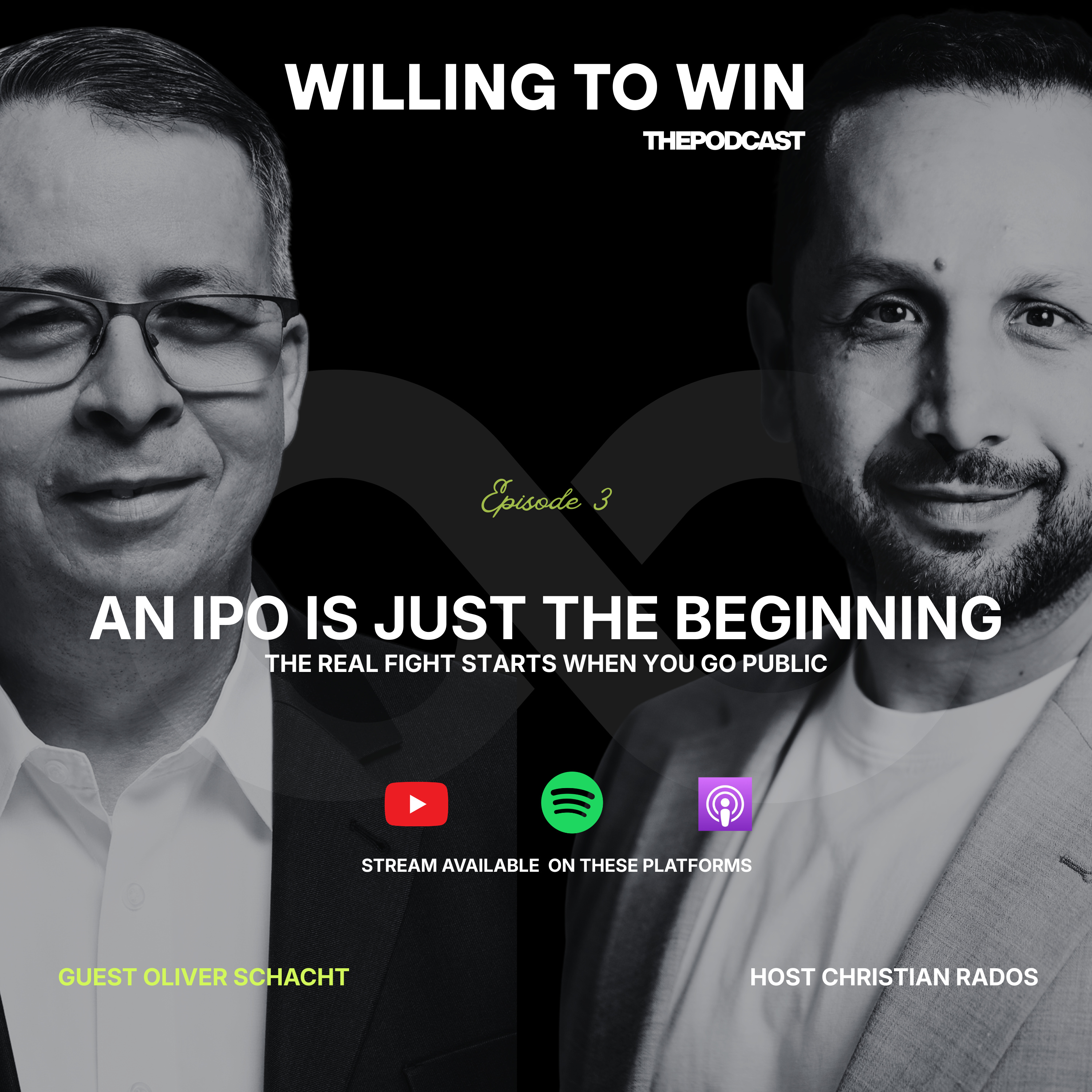
Oliver Schacht, every outside term sheet disappearing days before signing, when a venture partner remarked how transparent the capital markets are.
"When we failed in a phase two POC study, I think this is where I felt like, okay, this model..."
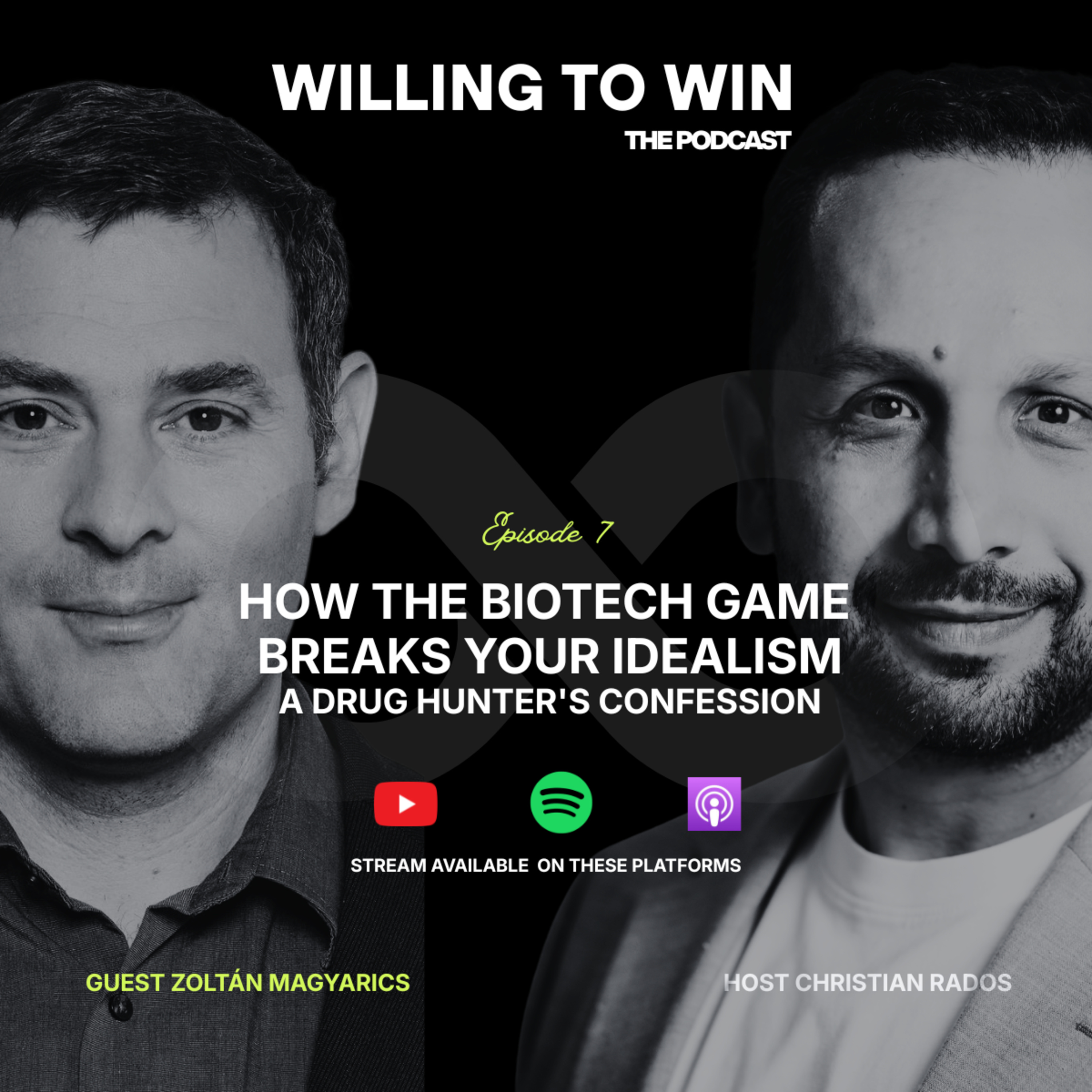
Zoltan Magyarics, on the phase 2 failure that made him leave biotech for a while.
"If we would have left the lawyer's office with no deal on this date, I don't know if the Nasdaq route would still have been possible."
Erich Tauber, on the final weeks before the Merck signing, lawyers and banks in parallel.
CR Read those again. Not one of them says "I had a plan". Every one says some version of "I did not know and I moved anyway". That is not a character flaw. That is the job, and you are doing it.
All of them came out. This is what they came out with.
Edwin Moses. Stopped the trial early on one man's word. The data were excellent, the drug went to market, and Sanofi later paid 3.9 billion euros for Ablynx.
Oliver Schacht. Took Epigenomics through the 2001 ice age to the first European biotech IPO after the bubble, and later learned, at the cost of one twenty-million-dollar investor, that every word before a readout counts.
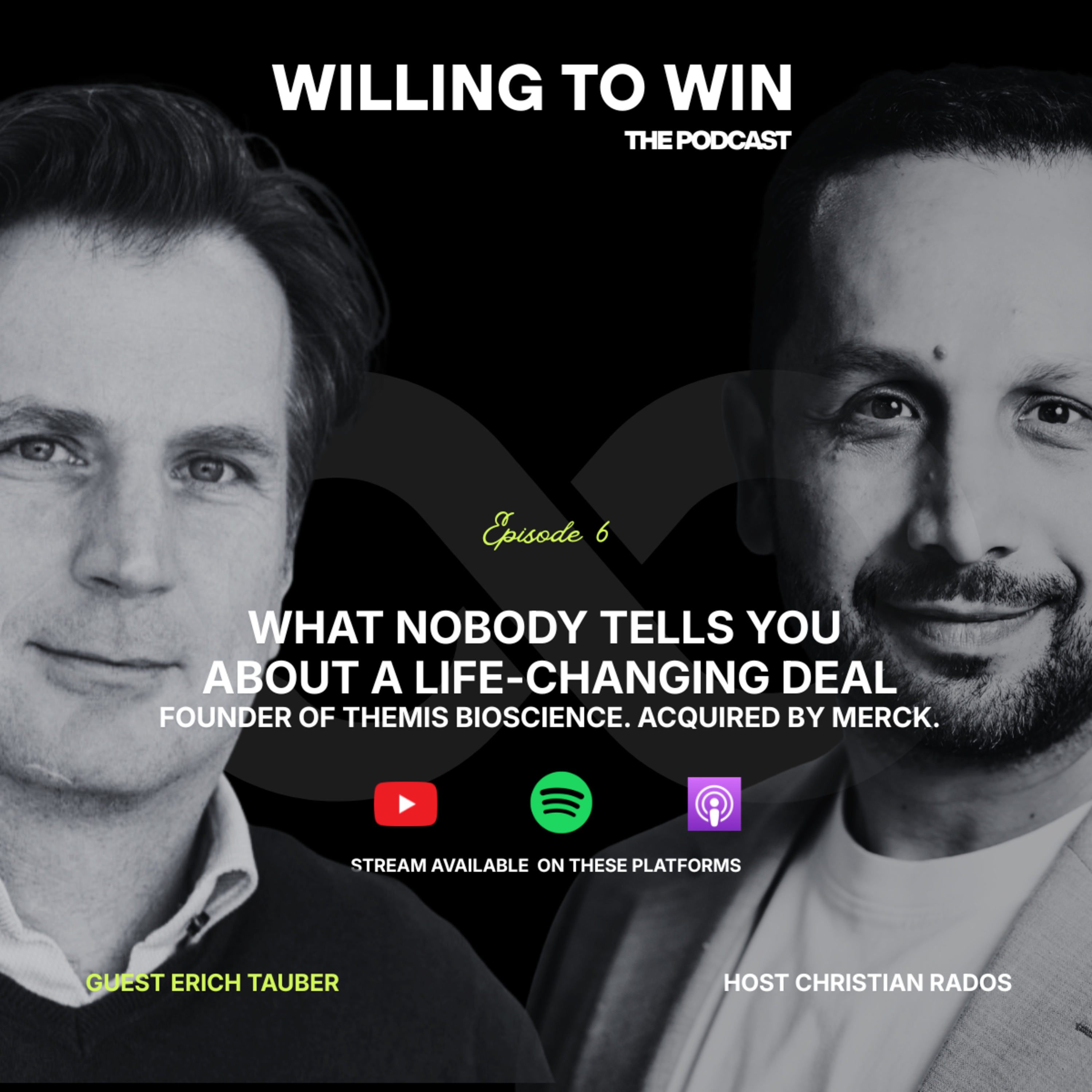
Erich Tauber. Sold Themis to Merck in May 2020, after thirteen years in which the company was never funded for longer than twelve months.
Achim Plum. Filled the book on the last day of a roadshow in Zurich and closed a follow-on two weeks before the prospectus expired. Twenty-five years on the operator side, now the investor side at HTGF.
Jan de Kerpel. The banker in the room. Most biotech CEOs meet him on the best or the worst day of the company's life, and his rule on cash is the one the others were measured against.
Tilmann Bürckstümmer. Pivoted Myllia in one afternoon with four months of cash left. The company exists today, with customers, without venture money.
Simone Sabbione. Closed her round inside the year she had given herself.
And in the room with them: Pierre Morgon, forty years in life sciences, and Zoltan Magyarics, who left biotech after the failure and came back.
The video with their words, step by step, follows here. 3:35.
The questions you are asking yourself, answered by them.
"Is it just me, or does this always happen?"
It always happens. Nobody budgets for it.
"In a biotech setting, plan for something and it always takes a bit longer and is a bit more expensive than you wish."
Erich Tauber
"It's an illusion to believe that the experimental conditions will not change, especially in an industry which has a long innovation cycle."
Pierre Morgon
"It's still biotech. So the science gives you curve balls. Clinical trials don't always work out. Partnerships don't always work out the way you thought, but if things change, and especially if they change in a bad way, you have to adjust."
Oliver Schacht
And the bar has moved. "Simplistically speaking, one experiment on a mouse was already good enough to IPO over the last couple of years, 2020. More recently you really need to be much more mature, much more solid to attract those high level investments."
Jan de Kerpel
CR Erich added one thing that is not in the quote and belongs on your wall. Investors who gave him a very good feeling after the meeting, and then never put in money. A good feeling is not a commitment.
Takeaway. The plan was a guess, the bank balance is a fact, and you need more proof than a CEO in 2021 did with the same runway. Stop being surprised and start counting.
"How much cash should I have had, and is it too late?"
"It's useless to have funding for five years with two, three milestones in between. That money that you would use in the fifth year is going to sleep for four years."
"12, 24, maybe, maybe 36 months. And I will make sure that I have sufficient access to the next step, but you're not getting it until the milestone is there."
Jan de Kerpel, as the person who manages other people's money
Erich, harder: three years of funding and a review in a year "spoils you". Better to force a company to deliver in a year.
"We came together and we said, can we continue this? Because this is not going anywhere and we'll be out of business in four or five months."
Tilmann Bürckstümmer, on the day the bank balance made the decision
CR Three people who have never sat at one table, one rule between them. Money is tied to a milestone and a date, not to a feeling. If your runway is a feeling right now, that is the first thing to fix, and it is not too late to fix it. It is too late to pretend.
Takeaway. Fund to the milestone with a buffer, secure access to the next step before you need it, and expect nothing before the milestone is there.
"What do I tell the investors, and when?"
Achim, who says he learned this "the hard way", in four lines:
"There's always a moment of truth. So you better have it managed than just, you know, creeping up on you."
"The last thing you want as an investor is to be surprised."
"Bring them up early, bring them up with a good analysis, bring them up with potential solutions and preferred solutions and then we can discuss. But don't ever surprise your investors with bad news."
"In the end, you will have to disclose it anyway, only then you're in a stress situation, and you also may not have the time anymore to come up with a solution."
Achim Plum
And the one thing never to say. Oliver's company was blinded, days from a readout. An investor who had put twenty million dollars in as the only backer of the round looked at the team and said: I'm sure you guys have a bottle of champagne in your right hand and a bottle of vodka in your left. A colleague answered: no, no, we just have a bottle of champagne. The data came in neither good nor bad. The investor sold everything, tripled his money, and told them why.
"It was that loss of trust or faith of saying, well, I sort of felt misled when somebody said, no, I only have a bottle of champagne."
"Every single word you say as a public company counts."
Oliver Schacht
CR Achim told me what the surprise costs on his side of the table now. At HTGF, when a CEO does not talk to the fund and the team feels blind, the follow-on money goes elsewhere. Not as punishment. As allocation.
Takeaway. Bring the slip early, with the analysis and two options attached. Before data, you hold both bottles, and you say so.
"Do I stop, pivot, or push on?"
Three people, three different answers, all of them right for their company.
Edwin, on stopping. The experts said wait. "We talked to the experts and I genuinely didn't get an answer because they're programmed to say you just got to get through to the end of the trial." So he asked a different question: what if we stop today and look? The clinical team could not see the blinded data. He found a clinician inside the company who did not work in the clinical team, isolated from it, and smart enough to look. Two days later the man came back, said "you can stop today", and walked away.
"I told the clinical team to stop today. They didn't know what I knew."
"It's no good waiting for everybody to tell you it's a good idea, because if I'd asked the head of clinical they would say no."
Edwin Moses
Tilmann, on pivoting. One afternoon with his co-founder: "Let's do something completely different." Back to what they understood best, CRISPR, genome-wide screening instead of repeating the old product. Then the call to the funders the same week: "The grant needs to stop now. We cannot continue that. It makes no sense."
"We sort of went back to what we understood best, which was CRISPR. And there we felt more confident that we could build something that is to some extent unique."
Tilmann Bürckstümmer
Erich, on pushing on with a fallback. The dual track for real, not as the line every junior investor repeats: buyers in parallel, a kickoff with the banks for a Nasdaq IPO. "If the Merck deal goes sour, then we still can go the Nasdaq route, but at some time this horse would have been dead."
Jan, on how to choose: "Always look several steps ahead of where they are, because in this industry, you create clinical data or preclinical data. You have options to go left, straight or right."
CR What the three have in common is not the answer. It is the speed. Edwin had his in two days, Tilmann in an afternoon, Erich had the fallback running before he needed it. None of them waited for the consensus, because the consensus was always "wait".
Takeaway. Ask the question the experts will not ask, decide in days, and know the day your fallback dies.
"How do I get through the next three months?"
This is the part that does not make it into investor updates. I include it because it is the part you are in.
Edwin, on whether he knew: "Absolutely didn't know. All I knew was we couldn't sit there and do nothing. We were getting killed."
Achim, in a last-shot meeting, the company weeks from empty, an analyst grilling him on the pipetting details of an assay: "guys, you know, we're running out of cash, I can't have those discussions now." He kept his patience. The meeting ended with the investor standing up and shaking hands.
Simone, in the year she went from a full salary to nothing: "Doubting yourself because you don't have this feedback from someone else in the team and say, we'll get through this. I had to tell that to myself, I'll get through this." What carried her: "So I knew, kind of, it's one year, I'll give it all, and if it doesn't work, it didn't, and then it's fine because I tried."
Zoltan, on the phase 2 failure that made him leave for a while: "When we failed in a phase two POC study, I think this is where I felt like, okay, this model..." He came back. His line on the long game: "You find a mechanism of action in a test tube or something. There's a very long chess game ahead and you have to think that through early on."
Achim, on what the hard months are for: "If you really have the right conviction and you can bring things home even in difficult times, it makes you stronger the next time because you start trusting yourself."
CR Read those again. Not one of them says "I had a plan". Every one says some version of "I did not know and I moved anyway". That is not a character flaw. That is the job.
Takeaway. Set the date, keep your patience in the room, and move without knowing. Everyone above did.
What to do this week
Put the runway date and the readout date on one page and write the gap in months. Everything above starts from that number. Then, in this order:
Pick your move, stop, pivot or push on with a fallback, and write down what it costs. If you cannot name the cost, you have not picked.
Write the investor note before they ask: the gap, the analysis, two options. Achim's format, word for word.
Ask the question the experts will not ask. Edwin's was "what if we stop today and look". Tilmann's was "what did we understand best".
Write down who owns the numbers and who owns the trial, by name.
Questions to ask yourself
If the readout moved three months, which conversation would you have to start tomorrow, and with whom?
What have you said to an investor in the last month that sounded like a promise?
Who in your company could look at the data for two days with no stake in the answer?
What is the day your fallback dies, and have you written it down?
Watch and listen
The full conversations behind this page, on YouTube, Spotify and Apple Podcasts.
Edwin Moses
Former CEO and Chairman of Ablynx (acquired by Sanofi), former CEO of Oxford Asymmetry International
Feeling Out Of Place
The Story Behind Edwin Moses and How Insecurity Fueled Optimism. One of the most accomplished and quietly influential leaders in European biotech on the inner journey behind a lifetime of exceptional outcomes.
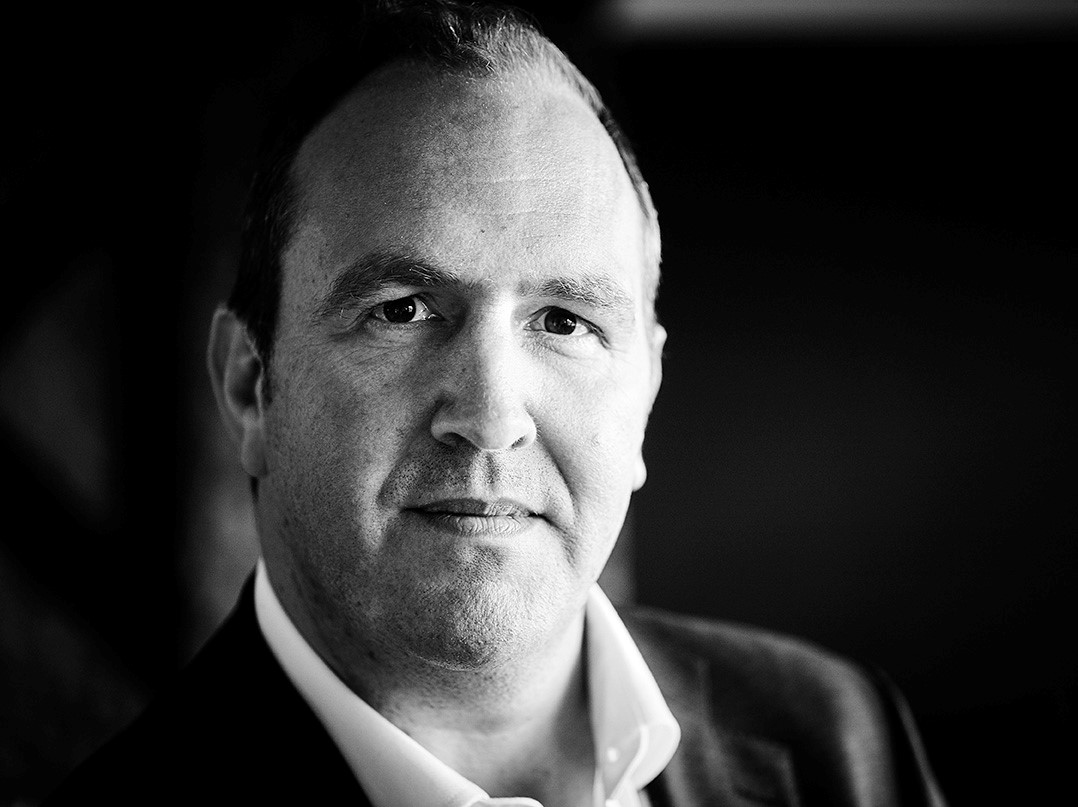
Co-founder and former CEO of Themis Bioscience, sold to Merck in 2020
What Nobody Tells You About a Life-Changing Deal
13 years of building. Never funded for more than 12 months. Then a life-changing deal with Merck, signed in the middle of a pandemic. The hardest part was what came after.
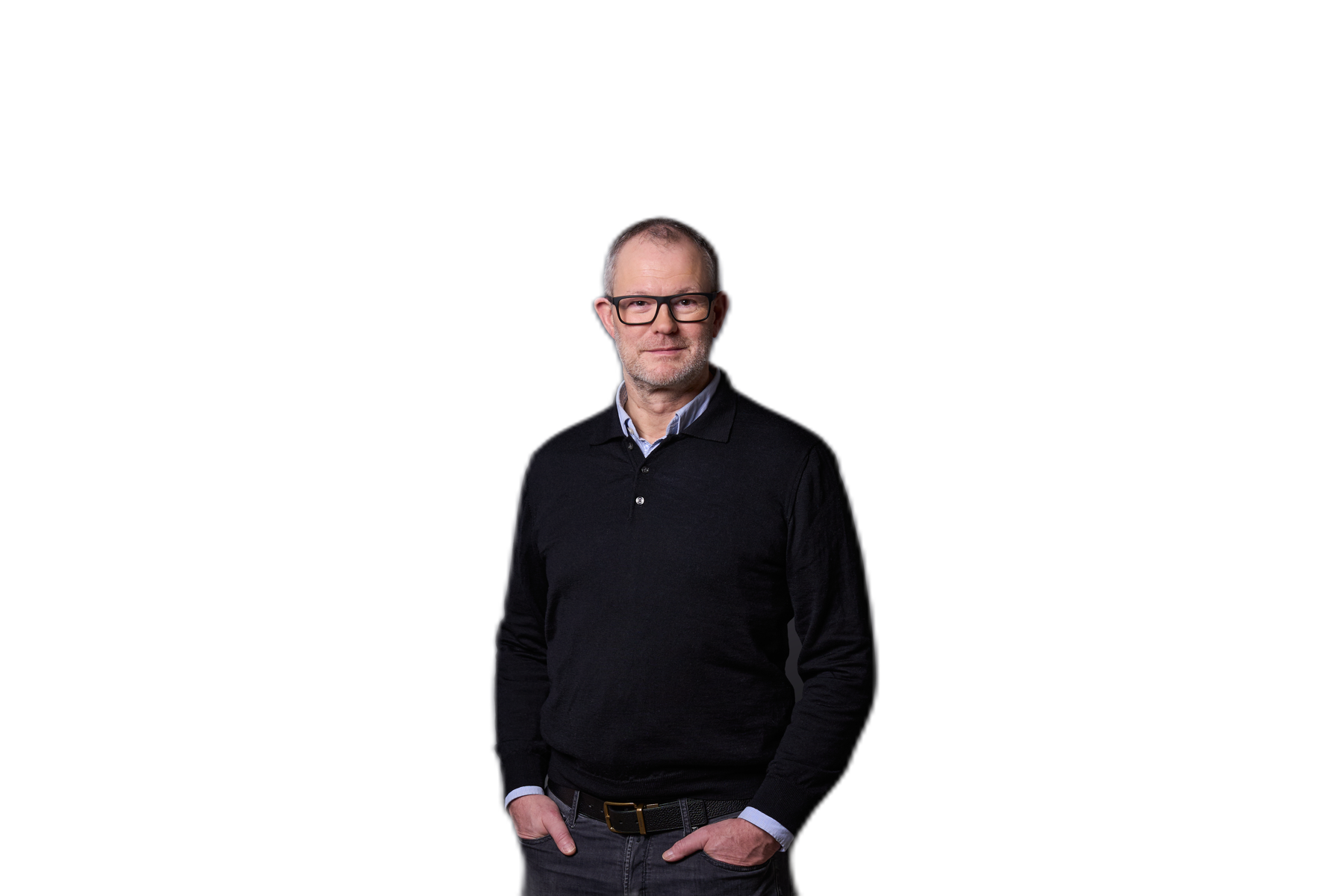
Managing Director of HTGF, heading Life Science and Chemistry; 25 years on the operator side before that
So, Do We Have a Deal?
Two IPOs, one of them closed on the last day of the roadshow. His last company died on the science itself. "I did every possible mistake one could do. I survived them mostly."